“Unfair and Absurd”

President Joe Biden (D), through his Press Secretary Jen Psaki (via her daily press conference), said that it’s unfair and absurd that businesses should pass on to their customers the costs represented by higher taxes that Biden and his fellow Progressive-Democrats want to impose on them.

There are some…who argue that, in the past, companies have passed on these [tax] costs to consumers. … We feel that that’s unfair and absurd, and the American people would not stand for that.

Why shouldn’t businesses pass on the costs represented by taxes?

Biden’s claim raises additional questions, too. What other costs does Biden consider unfair and absurd for businesses to pass on to their customers? What is Biden’s limiting principle regarding passing costs on to customers?

Pope Francis, Communion, and Abortion

This is a subject into which I’m going to poke my Protestant nose, which may be a symptom of my own sin of arrogance, but there it is.

Pope Francis insists that communion is a gift to all of us, not a prize for the perfect. He also says,

What must the pastor do? Be a pastor; don’t go condemning. Be a pastor, because he is a pastor also for the excommunicated.

He’s right, too, as far as he goes.

He also emphasizes

Whoever has an abortion kills. It is a human life. This human life must be respected—this principle is so clear.

He’s right here, too.

But while communion is for us sinners, including the excommunicated, for us who truly try to do better, who truly try to repent for our past failures, can it really be for those don’t bother, for those who reject the Church’s teachings outright?

It seems to me that those latter have taken themselves out of the church [sic] altogether. It’s not so much that they should be, or are, denied communion; they’ve made themselves ineligible for it.

And so it is for those who claim to be anti-abortion personally but fine with abortion for others. That strikes me as an especially grievous example of a sin of hypocrisy.

Bishop Michael Olson of the Ft Worth, Tx, Diocese:

He [Pope Francis] wants us to be pastors, and we also want to be pastors. But a pastor is not just a mascot for one’s private point of view.

Big Tech, Big Brother

This time, it’s Tim Cook’s Apple.

In a report released [last] Wednesday, the company argues that allowing users to download apps directly onto their iPhones without having to use Apple’s App Store would harm customers by threatening privacy protections, complicating parental controls and potentially exposing users’ data to ransomware attacks.

Say that’s true. It remains the user’s personal choice to run that risk. It remains the user’s personal responsibility to deal with that risk.

Is Cook denying the personal agency average Americans have in their decisions and in their property?

Or is Cook denying the cell phone user’s own property in the cell phone he bought—often for a thousand dollars—and uses? Is Cook claiming Apple retains primary ownership in that cell phone he “sold” to the user?

In any event, I decline to acknowledge Apple, Inc, or any of its managers as Big Brother.

Privacy—and Trust

Parents of children in the People’s Republic of China have a new “aid.”

ByteDance is peddling a “study lamp” that lets teachers and parents constantly monitor children, ostensibly while the children are doing their schoolwork.

The lamps come equipped with two built-in cameras—one facing the child and another offering a bird’s-eye view from above—letting parents remotely monitor their children when they study. There is a smartphone-sized screen attached to each lamp, which applies artificial intelligence to offer guidance on math problems and difficult words. And parents can hire a human proctor to digitally monitor their children as they study.

What else, though, is ByteDance monitoring, what other data is ByteDance collecting about the kids, the things they’re doing, with whom they’re doing it, parents’ handling of their kids? And passing it on to the PRC’s intelligence community under that 2017 law?

There’s also the question of trust. Not trust in Big Brother—or Uncle Xi—but trust between children and parents, and the ability of children to trust at all. What message are parents sending to their own children when the parents—and other authority figures, known to the children to be there at the parents’ request—insist on being, constantly and immediately, over the kids’ shoulders to be sure those kids are behaving properly? That the kids are fundamentally untrustworthy, maybe? That they’re unworthy in some way?

And there’s the creation of dependency on instant answers.

Some Chinese media outlets and parents have also criticized the idea of placing an interactive touch screen in front of children as they study, warning that the lamp would make children accustomed to seeking easy answers from technology.

And what brave new world for us when ByteDance brings these…devices…to America?

Patient Privacy

The Wall Street Journal article headline says it all.

Google Strikes Deal With Hospital Chain to Develop Healthcare Algorithms

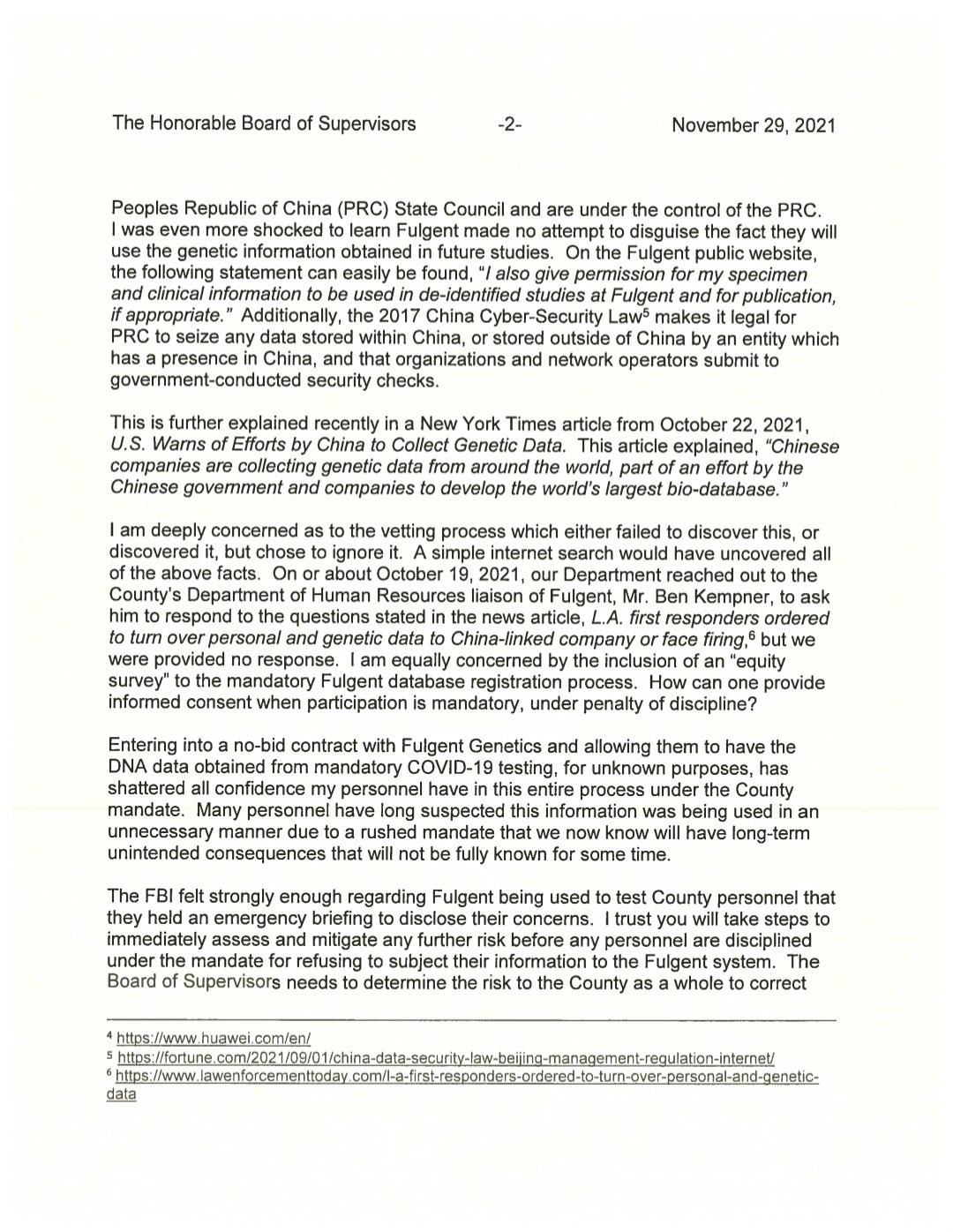
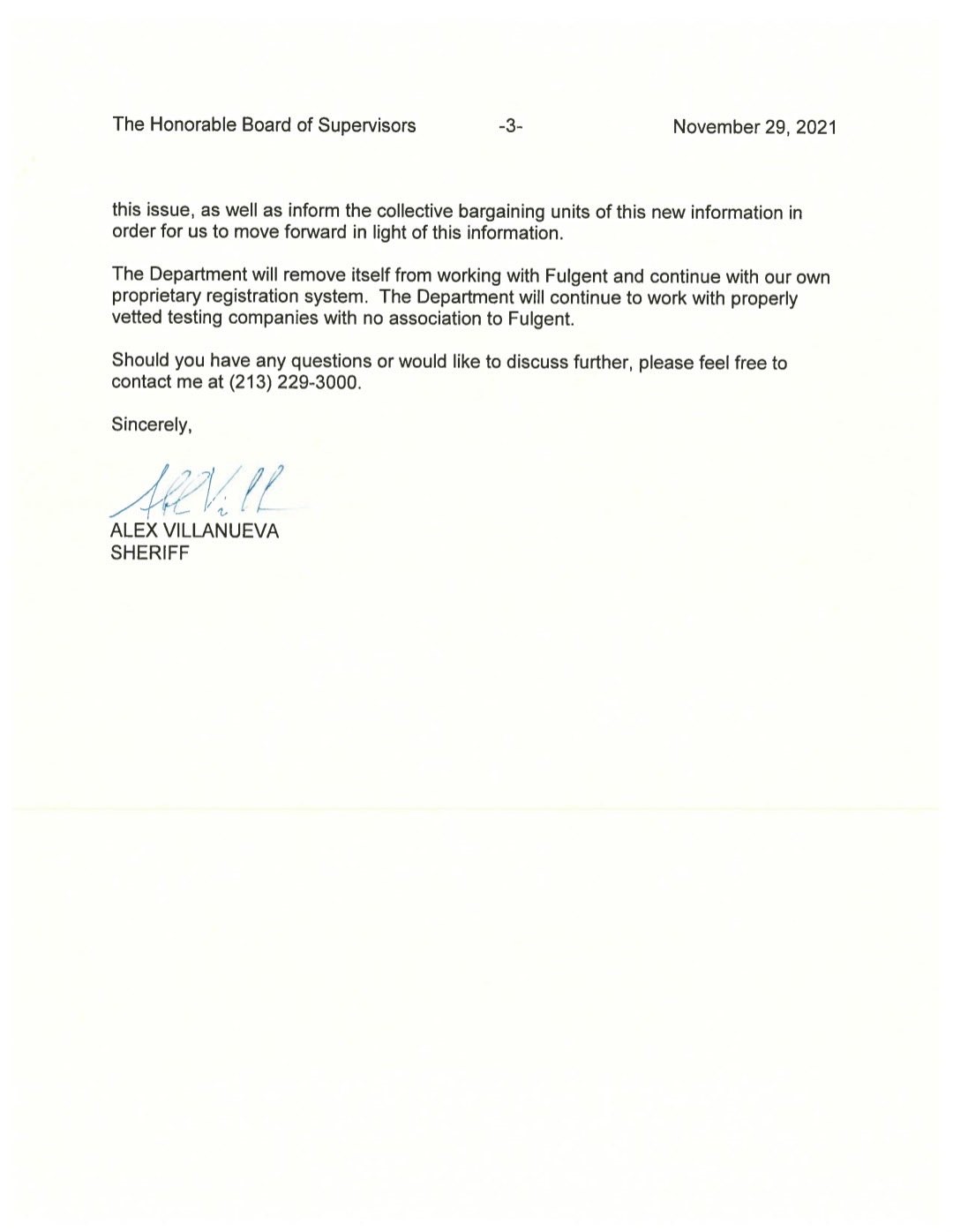
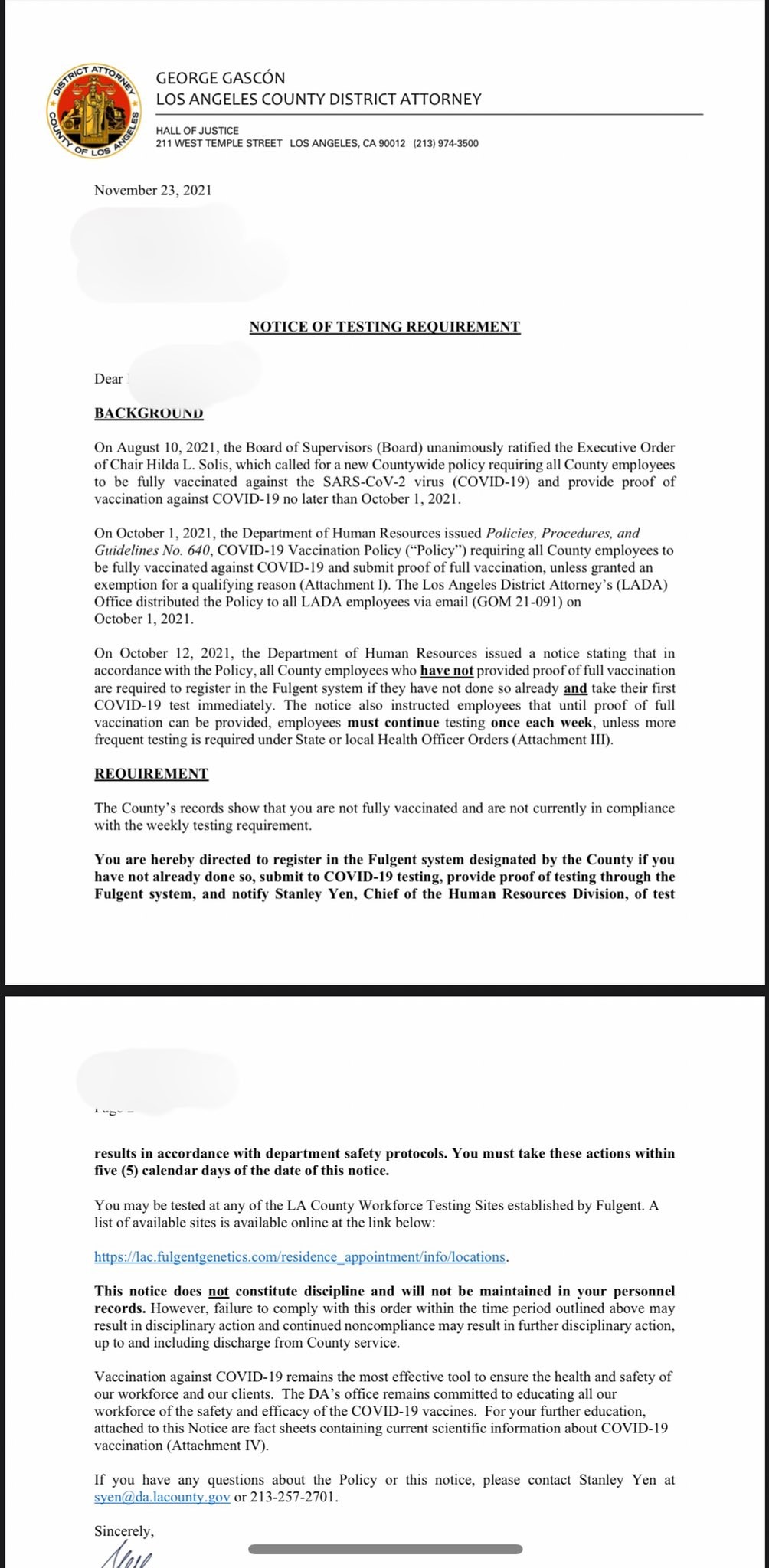
Alphabet, through its Google subsidiary, is going to be given access to patient records—patient identification, medical history, drug prescription and use, Internet-connected medical device use and medical device-originated reporting—by a major healthcare provision chain, HCA Healthcare Inc.

Dr Jonathan Perlin, President of HCA’s Clinical Services Group and Chief Medical Officer assures us:

Data are spun off of every patient in real time[.]

In real time. As the patient is hooked into the Internet via an ostensibly privacy-protecting connection.

The claimed goal of this…partnership…is to

develop algorithms to help improve operating efficiency, monitor patients and guide doctors’ decisions, according to the companies.

However,

Google will access data when needed with consent from HCA….

But not necessarily with the consent of the patient, it seems.

Perlin does promise that patient-identifying data will be stripped before HCA passes patient data to Alphabet.

Of course.

Never mind that patient monitoring is tough to do without those data. Never mind that developing algorithms for monitoring patients is tough to do without those data in the mix for, you know, testing.

Alphabet’s penchant for taking user personal data for its own purposes, including monetizing those data for the company’s benefit, is long-standing and well-known. Now the company, with the active collusion of a major hospital chain, is expanding that reach into patient medical data—Alphabet user or not.

Patient privacy be damned. It’s a brave new world.